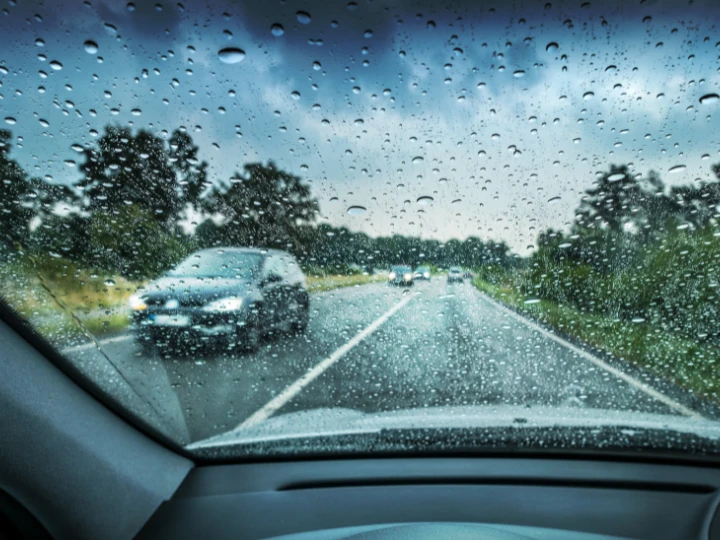
Winter may may be (almost) behind us, but spring introduces a fresh set of driving challenges. The roads you traveled all winter might now be riddled with potholes. Sudden rain showers can create slippery surfaces, making it harder to maintain control. And with wildlife becoming more active, the chances of encountering an animal on the road increase significantly.
To stay safe this season, drivers need to be aware of these common hazards and adjust their habits accordingly. Let’s take a closer look at what to watch for and how to minimize risks on the road.
Navigating Pothole Season
If you’ve ever hit a pothole unexpectedly, you know how jarring—and damaging—it can be. These road craters form when water seeps into cracks, freezes, and then expands, weakening the pavement. By spring, the freeze-thaw cycle has taken its toll, leaving roads full of hazards that can damage tires, rims, and suspension systems.
Staying alert and scanning the road ahead is key to avoiding potholes. Whenever possible, steer around them safely—but never swerve suddenly, as this could put you in the path of another vehicle. If you can’t avoid one, slow down before impact to reduce the force of the hit. Keeping your tires properly inflated also helps, as under-inflated tires are more susceptible to damage.
If you do hit a deep pothole, listen for any new noises or vibrations while driving. If something seems off, it’s best to have your vehicle inspected to prevent further damage.
Driving Safely in Spring Rain
Spring showers may bring flowers, but they also bring slick roads and the risk of hydroplaning. When rain mixes with oil and debris on the pavement, traction decreases, making it easier to lose control.
Adjusting your speed is one of the most effective ways to stay safe in wet conditions. Slowing down gives your tires more contact with the road and reduces the chances of skidding. Good visibility is also crucial, so check your wiper blades and replace them if they leave streaks behind. Keeping a safe following distance allows for extra reaction time if the car ahead stops suddenly.
If you find yourself hydroplaning, the best thing to do is ease off the gas and steer gently in the direction you want to go. Avoid slamming on the brakes, as this can cause your vehicle to skid further.
Watching for Wildlife on the Move
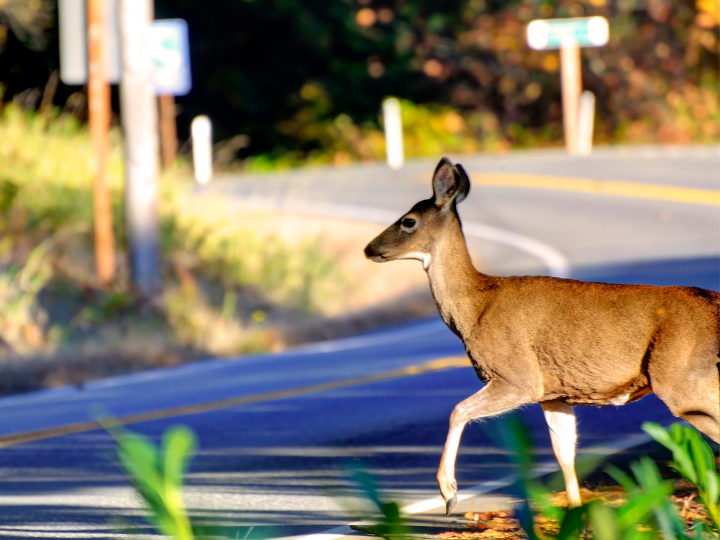
As temperatures rise, animals become more active, increasing the likelihood of an unexpected road encounter. Deer, skunk and other wildlife are particularly common in rural and wooded areas, especially at dawn and dusk.
Being aware of your surroundings is essential. If you see one deer crossing, assume there are more nearby. Using high beams at night when there’s no oncoming traffic can help you spot animals sooner, giving you more time to react.
If an animal suddenly appears in your path, it’s instinctual to swerve, but this can be dangerous. Instead, brake firmly and stay in your lane. Swerving can lead to losing control or veering into another vehicle. If you do hit an animal, pull over safely and report the incident to local authorities.
_
Spring driving requires a little extra caution, but being prepared can make all the difference. Keeping an eye out for potholes, adjusting your speed in rainy conditions, and staying alert for wildlife will help you navigate the season safely.
As you hit the road this spring, it’s also a good time to review your auto insurance coverage. If you’re unsure whether you’re fully protected against seasonal hazards, contact us today for expert advice and personalized protection.